
The Sport of Storytelling
I’ll admit it upfront: I’m a huge sports fan. So it’s no surprise that I love the Olympics. But this year was different. I wasn’t just watching — I was hooked. Obsessed, even. For two weeks, I transformed into an armchair expert in beach volleyball and a sharp critic of the high dive.
At the start of the Games, I told my husband, “The Olympics can make any sport exciting… except for golf.” Yet there I was, glued to the couch on a Saturday morning, breathless as a Kiwi golfer battled for silver.
This was no ordinary Olympics. Tokyo 2020, held in 2021. The Games that unfolded in one of the busiest cities in the world — in eerily empty stadiums. The Games that almost didn’t happen at all.
They were called the impossible Games. And in that impossibility lay something special.
Because the Olympics are more than just sport. They are storytelling at its purest.
The Stories of Sport
I love the action — the trials, the tribulations. The suspense of a nail-biting finish. The glory of a dominant win. The heartbreak of a loss. The drama when a referee gets it wrong.
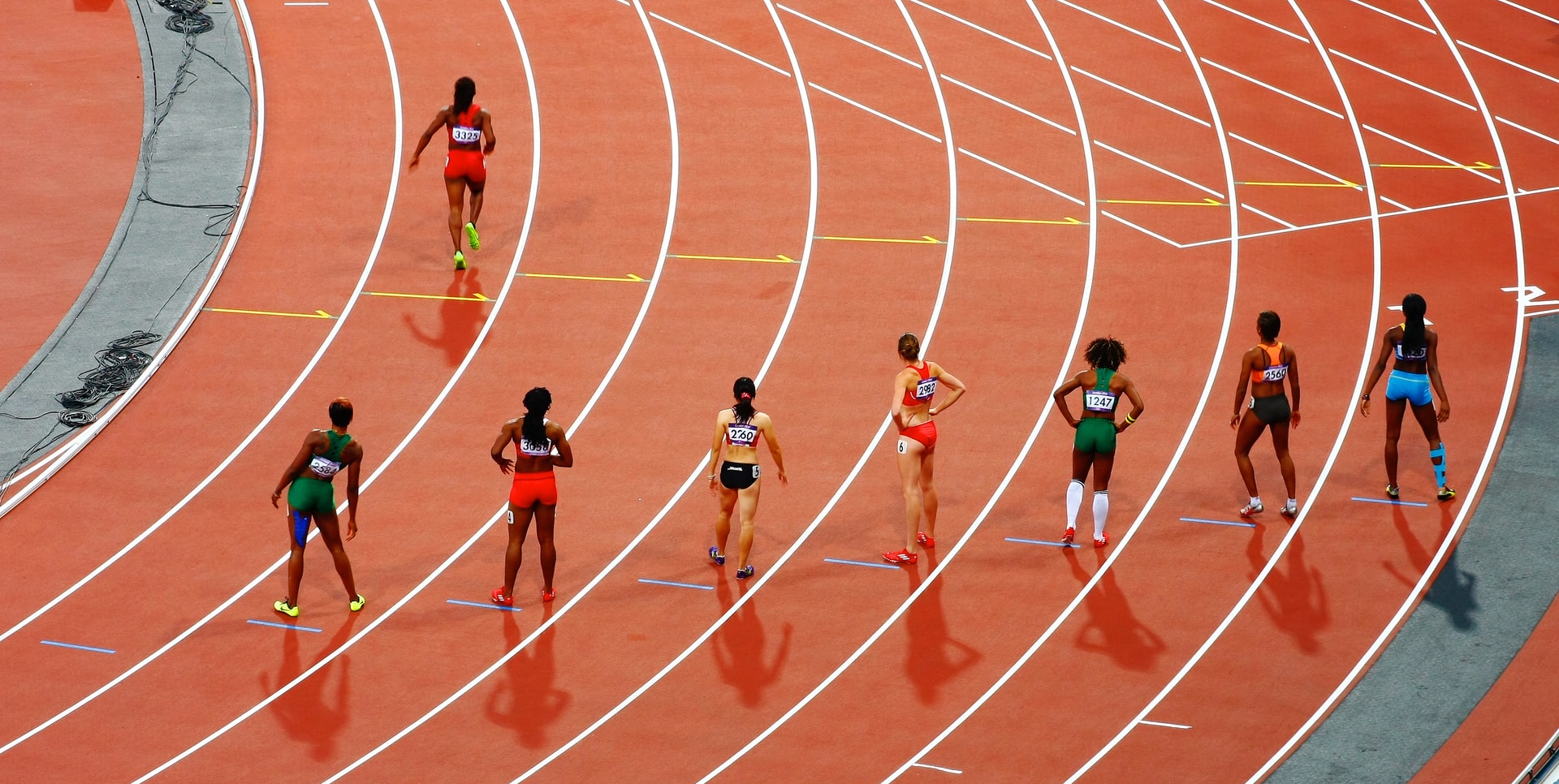
I love the synchronicity of a team moving as one, finishing each other’s physical sentences. And I love the contrast of an athlete standing utterly alone, in a moment where nothing else exists but them — and a wave, or an arrow, or a hundred meters of track, or fifty kilometers of asphalt framed by skyscrapers and convenience stores.
Sport is theatre. Sport is humanity in its rawest form.
And Tokyo gave us stories that will be told for years.
The Impossible Games
The biggest story of all was the Games themselves. Postponed, doubted, resisted — many believed they should never happen. Yet against the backdrop of a global pandemic, they went ahead. Not with the roar of the crowd, but with the quiet, relentless determination of athletes who had trained for years with no guarantee they would even get to compete.
And perhaps because of all this, the human stories cut through louder than ever.
Making it human
Behind the spectacle lay individuals with extraordinary journeys.
An Australian high jumper, nervously sketching and scribbling in a journal after each attempt, rating every detail of her performance in real time. Anxiety, belief, fear, joy — all on display, as raw as it gets.
A female boxer, the most successful Australian in her sport, crushed by missing out on gold. “I didn’t come for second. I came here knowing I could get gold.” Her drive wasn’t only for herself but also for her brother — a boxer too — who tragically passed away before she was born.
The Boomers basketball team, who finally broke through for bronze. It wasn’t just a win for the twelve men on court that night, but for generations of players and coaches who carried the dream before them.
A wheelchair rugby player asked if she had much to do with the men’s team. Her reply: “I’m in the men’s team.” After a car crash broke her spine and took her ability to walk, she found her way into one of the toughest, most brutal sports there is — and thrived.
And Jarrod Clifford, one of my favourites. He lost his vision as a child, yet never lost sight of his dream: to become a Paralympian. As his vision deteriorated, he adapted, pushed, persevered — and won medals on the biggest stage of all. He never wavered. He’s fearless. He’s inspiring.
Why It Mattered
Their performances were remarkable. But it was their stories that made them unforgettable.
In a world still heavy with uncertainty, Tokyo reminded us of something deeply human: the need for resilience, connection, and belief.
We didn’t just need the Olympics for sport. We needed them for the stories. For the reminder that, even in the most impossible circumstances, we can still find ways to rise.
